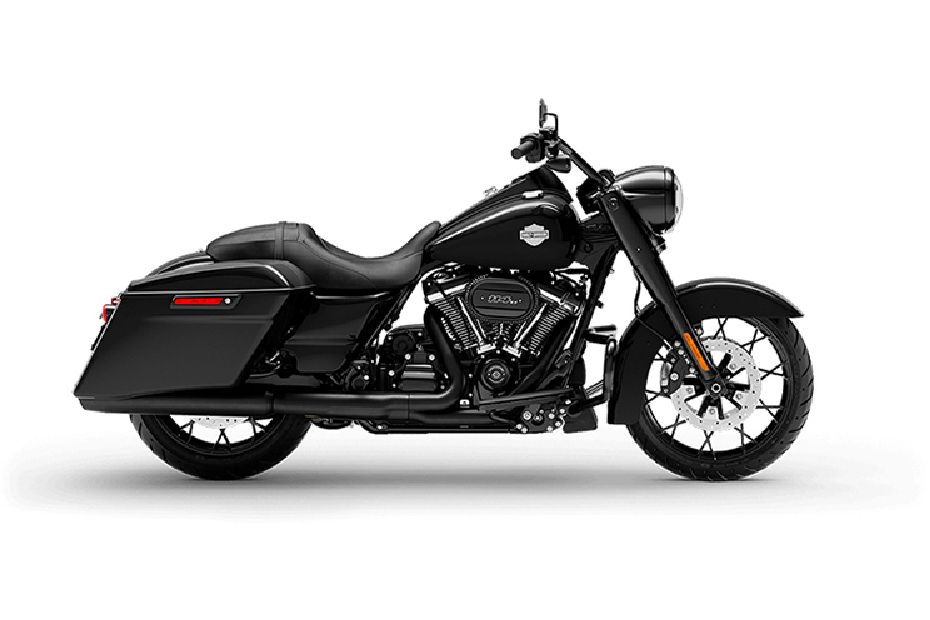
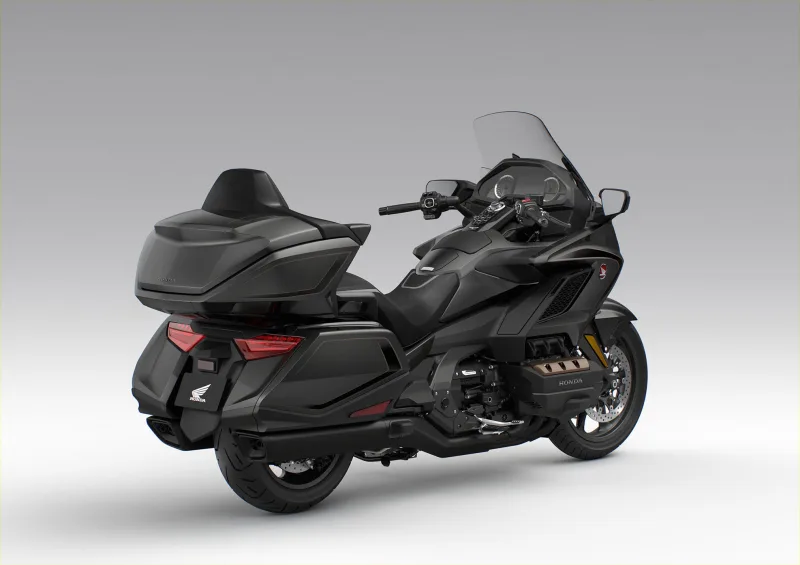
Everything you need to know before buying a touring motorcycle.
Touring motorcycles are purpose-built for covering long distances in comfort, typically featuring wind protection, generous luggage capacity, comfortable seating for rider and passenger, and relaxed ergonomics. They prioritize mile-after-mile comfort over outright performance or agility.
What to Look For
Wind & weather protection
A large fairing and windscreen make a significant difference on long highway stints, reducing fatigue from wind buffeting over many hours in the saddle.
Luggage capacity
Hard cases (panniers and top box) are standard on most touring bikes and their capacity should match how much gear you actually plan to carry on trips.
Seating comfort
Look for a well-padded seat and consider whether an adjustable or heated seat matters for the distances and climates you'll be riding in.
Weight & manageability
Touring bikes are often among the heaviest street motorcycles, which affects manageability at low speed and when parking - sit on one before buying if possible.
Technology & rider aids
Cruise control, infotainment systems and rider modes are common on modern touring bikes and can meaningfully improve comfort on long rides.
Generally no - their size and weight make them better suited to riders with some experience who have grown comfortable handling a heavier machine.
What's the difference between a touring bike and a sport-touring bike?
Sport-touring bikes retain more performance and agility with a sportier riding position, while dedicated touring bikes prioritize maximum comfort and luggage capacity over outright handling.
How much luggage can a touring motorcycle carry?
This varies by model, but most full touring bikes offer 80-150 litres of combined hard-case storage, enough for multi-day or multi-week trips.
Do touring bikes get good fuel economy?
Larger touring bikes with big engines generally return more modest fuel economy than smaller commuter bikes, though their large tanks still provide solid range between fill-ups.